Younger machines
A younger machine with a single fault leans toward repair, because the machine has most of its planning life ahead and the fault does not suggest a wider failure.
This guide compares repair with replacement using the 50% rule, the 8 to 12 year planning bands, and your written estimate after diagnosis. Diagnosis decides the fault; the estimate and the age decide the comparison. Serving Potomac, North Potomac, and Montgomery County, MD, based in Potomac Village, MD 20854.
If a repair estimate is more than half the cost of a comparable new machine, compare replacement seriously before approving the repair. If the estimate is well below half, repair is usually the simpler comparison. Half is a planning line, not an automatic order, and it only works when the estimate follows diagnosis.
For illustration only, a new machine in the $700 to $1,300 range has a half-point of $350 to $650, so an estimate inside that illustration still needs the age and the fault to be judged with it. Your comparison must use your written estimate and a comparable new machine, not a range from this page.
A younger machine with a single fault leans toward repair, because the machine has most of its planning life ahead and the fault does not suggest a wider failure.
Machines in the 8 to 12 year band are in the decision zone, where the estimate must be compared closely with a comparable new machine before either choice is made.
An older machine with a major fault leans toward a replacement comparison, especially when the fault is a motor or drum fault and the estimate approaches half the new cost.
Repair fits best when the machine is young, the fault is single, the estimate is well below half the cost of a comparable new machine, and there is no repeated fault history. Blocked filters, kinked hoses, and unbalanced load faults often fit that picture, once diagnosis confirms the fault is single.
Even then, repair follows approval of a written estimate after diagnosis, and the machine is tested after repair for drain, spin, and leaks.
Compare replacement seriously when the machine is older, the fault is a motor or drum fault in the $400 to $900 planning range, and a new machine sits in the $700 to $1,300 range. Repeated faults point the same way, because each repair adds cost without fixing an underlying cause.
Diagnosis decides which side your machine falls on. Without diagnosis, a motor or drum fault is a guess, and without a written estimate, the 50% comparison cannot be run at all. Monday to Sunday, 8 AM to 8 PM and let diagnosis, age, and the estimate decide together.
Answers are given direct first, with supporting detail after, so you can decide before you call.
+1 (301) 368-0252 →The 50% rule is a planning comparison: if a repair estimate is more than half the cost of a comparable new machine, compare replacement seriously before approving the repair, and if it is well below half, repair is usually the simpler comparison.
It is not an automatic decision, because age, fault type, and whether the fault is single or repeated also matter. Diagnosis, the estimate, and the age together decide, not the rule alone.
The 8 to 12 year band is a planning zone: machines younger than that band with a single fault lean toward repair, machines inside the band need the estimate compared closely with a new machine, and older machines with a major fault lean toward a replacement comparison.
Those bands describe typical lifespan planning, not a promise about any one machine, because use, load size, and care change how long a machine lasts. The estimate and the fault still decide.
Repair usually makes sense when the machine is young, the fault is single, the estimate is well below half the cost of a comparable new machine, and the machine has no repeated fault history, and no other fault is found during diagnosis.
A blocked filter, a kinked hose, or an unbalanced load fault fits that picture well, because the fault path is simple and the machine is otherwise sound. Diagnosis must confirm the fault is single first.
Replacement should be compared seriously when the machine is older, the fault is a motor or drum fault in the $400 to $900 planning range, and a new machine sits in the $700 to $1,300 range, so the repair approaches or passes half the new cost.
Repeated faults point the same way, because each repair adds cost without fixing an underlying cause. Compare the written estimate, not a national range, with a comparable new machine.
No, a high estimate does not always mean replace, because a newer machine with a single major fault can still be worth repairing if the estimate, the age, and the fault history together support repair, and the machine is otherwise sound apart from that fault.
Diagnosis decides the fault, the estimate prices it, and the 50% comparison frames the choice. If any of those three is missing, the decision is a guess, so get all three before deciding.
Have the written estimate after diagnosis, the age of the machine, the fault found, and the cost of a comparable new machine ready, because those four facts are the whole repair-versus-replace comparison, and keep them together when you compare repair with replacement.
Also note whether the fault is single or repeated, and whether the machine fills, drains, spins, leaks, or locks normally apart from that fault. That picture keeps the decision on facts, not on the first price heard.


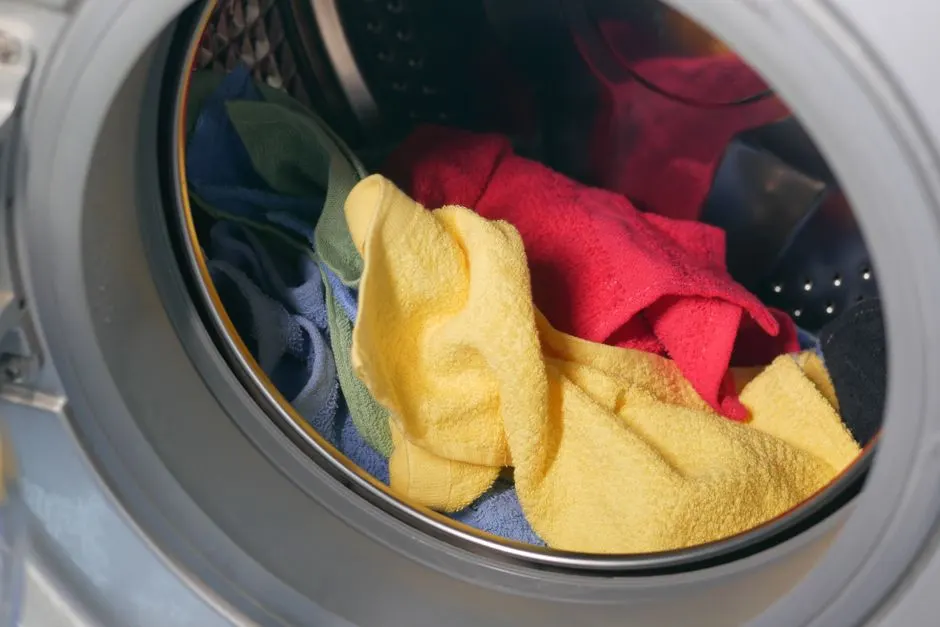
Monday to Sunday, 8 AM to 8 PM, diagnosis first, and a written estimate to compare with a comparable new machine.
Call +1 (301) 368-0252 →Serving Potomac, North Potomac, and Montgomery County, MD, based in Potomac Village, MD 20854. Monday to Sunday, 8 AM to 8 PM, for your area and your machine.
Monday to Sunday, 8 AM to 8 PM.